Google Apologizes for Finnish Forest Clearing That Has Displaced Wolves Into Villages
Unapproved construction for AI infrastructure in Finland has left local communities dealing with muddy terrain and increased wildlife encounters.
By Naledi Dlamini ·
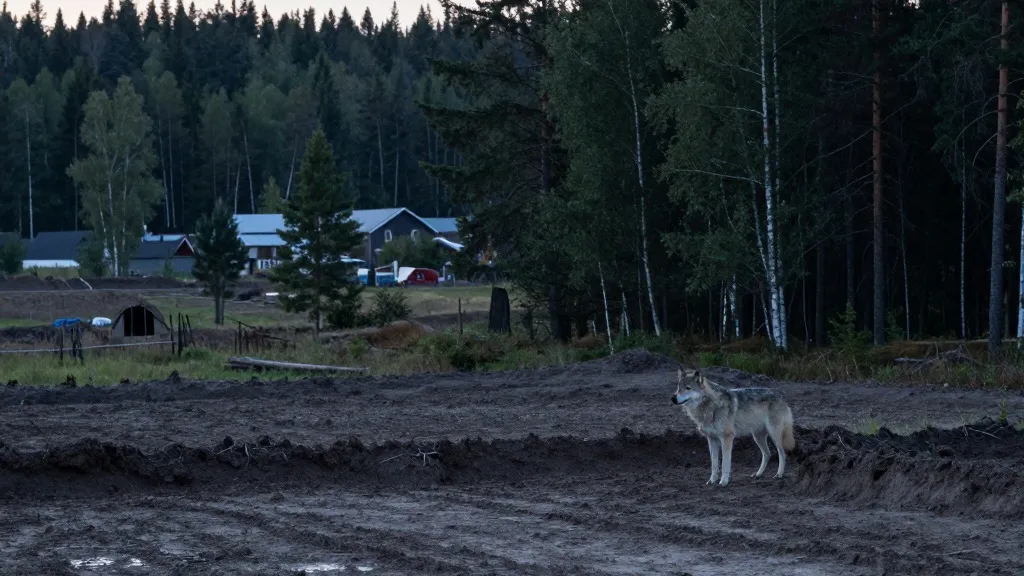
The rapid expansion of artificial intelligence infrastructure is colliding with traditional environmental protections in Finland, creating a tense situation for rural communities. The conflict centers on unauthorized land clearing near the villages of Muhos and Otanmäki, where forests that once supported stable wolf packs have been transformed into vast, muddy expanses. This sudden alteration of the landscape has forced local wildlife to seek new habitats, leading to frequent sightings of wolves and other animals in residential areas. For residents who have lived in these countryside settlements for generations, the shift represents a significant change in their daily safety and environment.
Google, the American search and AI giant, has acknowledged the issue through its Finland country manager, who issued an apology for the unauthorized clearings. The company has been instructed by the Finnish Licensing and Supervision Authority (LVV) to cease work on the sites. According to recent reports, approximately 816 acres of forest near Muhos have been turned into mud, while another roughly 500 acres southeast of Otanmäki have also been cleared. The LVV issued a formal order to stop development in these areas, citing the company's failure to adhere to established environmental policies.
Local residents argue that the disruption goes beyond aesthetic concerns. Anni Ranta, a 53-year-old resident of Otanmäki, noted that the displacement of wildlife is a direct result of the forest destruction. "We had wolves coming into the village because all the wild animals moved out of the forest," Ranta explained. She expressed concern that the presence of large U.S.-owned data centers might also make Finland a more attractive target for geopolitical aggression, adding a layer of strategic worry to the environmental debate.
The situation is not unique to Finland, as AI data center developers have faced similar complaints in the United States and other countries. However, the scale of the unauthorized work in Finland has drawn specific attention. A representative for the Finnish Association for Nature Conservation described the company’s handling of environmental policy as unprecedented. Local grumblings include construction noise, streams turning brown, and the displacement of rare bird species, all of which point to a broader pattern of environmental side effects associated with rapid tech infrastructure growth.
Despite the regulatory halt, Google maintains a cooperative stance. A spokesperson stated that the company intends to fully comply with the LVV’s requests and look forward to an active dialogue with Finnish authorities. The company appears to be banking on the long-term business benefits of its data centers to maintain its partnership with the region. Meanwhile, the immediate question remains how the local ecosystem and community will stabilize now that the natural buffer of the forest has been replaced by industrial mud.
The story highlights the growing friction between global tech ambitions and local ecological realities. As the construction pauses, the focus shifts to remediation and the return of displaced wildlife to their original territories. For now, the muddy landscape serves as a visible reminder of the physical costs associated with the digital revolution.
Source: Tom's Hardware