Warhound Aims to Solve U.S. Working Dog Shortfall with $200M Backing
A new venture backed by Colossal Biosciences and Anduril plans to genetically engineer military canines to reduce reliance on imported dogs and enhance operational performance.
By Andrew Fletcher ·
The U.S. military and law enforcement agencies face a growing logistical challenge: a shrinking domestic supply of working dogs. Currently, more than 80% of the nation’s working canines are sourced from Europe, and fewer than half of those imports are deemed fit for service upon arrival. This dependency on foreign breeding programs has prompted Colossal Biosciences co-founder Ben Lamm and Anduril co-founder Palmer Luckey to launch Warhound, a venture designed to engineer dogs specifically for high-stakes operational environments.
On Thursday, Warhound emerged from stealth with a $200 million funding round, valuing the company at $1.2 billion. The investment was led by Sequoia, 8VC, Corner Ventures, and In-Q-Tel, a venture firm supported by the CIA and other U.S. intelligence agencies. The capital injection signals a significant shift in how defense contractors approach biological assets, moving beyond traditional procurement to include genetic modification and advanced hardware integration.
The core premise of Warhound is that current working dog breeds suffer from inherited genetic predispositions to issues such as poor eyesight, hip dysplasia, muscle atrophy, and cancer. Lamm noted that many dogs fail training due to these health factors. By studying top-performing breeds like the Belgian Malinois and German Shepherd, the team has established a biobank of cell lines. They intend to edit these genes to enhance traits like speed, agility, and olfactory sensitivity while removing genetic markers associated with common health problems.
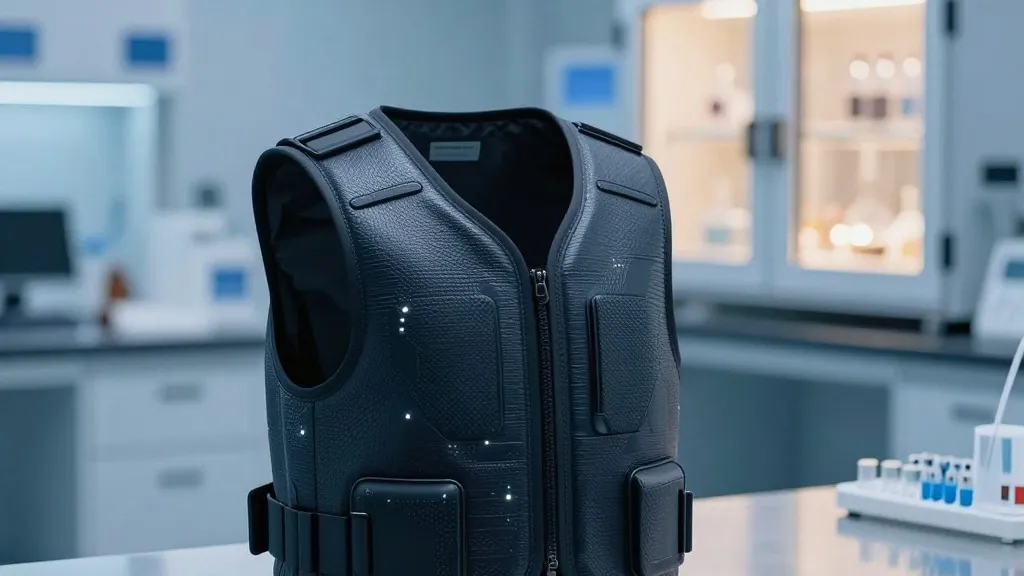
Anduril’s role in the venture is distinct from Colossal’s biological focus. The defense technology firm will provide the hardware and software ecosystem for the dogs. This includes protective gear such as vests and goggles equipped with data sensors. Lamm explained that these devices will relay real-time information to human handlers, improving situational awareness. He described the technology as enhancements that work 'on top of the dog,' rather than altering its internal biology, thereby increasing both canine and handler safety during operations.
The partnership between the two founders began approximately a year ago at a conference where Luckey discussed the need for better support for military working dogs. Lamm subsequently researched breeding practices and identified the potential for genetic enhancement. While Colossal is known for its de-extinction projects, such as efforts to revive the dodo and mammoth, this venture applies its gene cloning and AI-driven identification technologies to a more immediate tactical application.
Production of the new dogs is already underway. The first batch is currently being cloned and incubated by Viagen, another company under the Colossal umbrella, which utilizes a high-success-rate cloning technology also used in endangered species programs. Lamm expects the first births to occur early next year, with the dogs ideally entering service within two years. The company has not yet finalized pricing but anticipates selling to first responders, the Department of Defense, and police forces.
Addressing concerns about the welfare and safety of genetically enhanced animals, Warhound is working under the guidance of the American Humane Society. The organization is helping to certify the training program for the new canines. Additionally, there is a plan for retired dogs to enter the Society’s Military Working Dog Reunification Program, which provides homes for veterans of military service. The American Humane Society stated that it applauds the invitation for the 'country’s first national humane organization' to have a seat at the table, emphasizing its commitment to ensuring the animals are treated humanely.
Luckey serves as a partner in the venture but holds no equity, while Colossal owns a stake and licenses its technology to the business. Lamm emphasized that each dog will undergo standard military training and be managed by its purchasing agency. As the first cohort of these engineered dogs approaches birth, the venture represents a notable convergence of biotechnology and defense hardware, aiming to create a new type of military asset that is healthier, longer-lived, and more effective than its predecessors.
Source: TechCrunch